

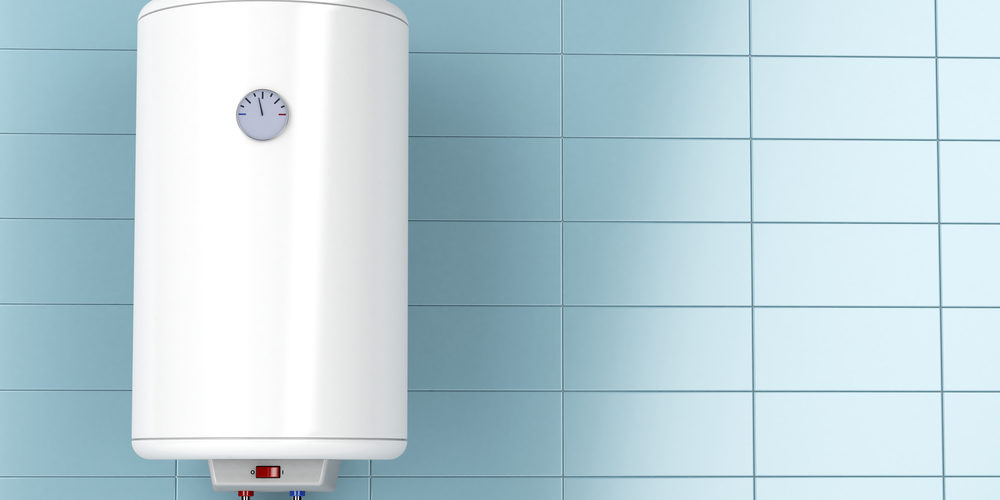
Water Heater Sediments: Causes, Problems & Professional Solutions
- On December 23, 2025
Did you know that not all water heater problems are caused by faulty parts or old systems?
In many Singapore homes, a common yet often ignored issue is sediment buildup inside the water heater.
If your gas or electric water heater is underperforming—producing lukewarm water, strange noises, or reduced efficiency—the culprit could be sediment accumulation at the bottom of the tank. A trusted plumber Singapore can identify and resolve this issue before it leads to costly damage.
What Are Water Heater Sediments?
Water heater sediments are solid particles that settle at the bottom of the tank over time. These may include:
-
Dust and sand from water mains
-
Debris from aging pipelines
-
Minerals such as calcium carbonate (common in hard water)
When water is heated, these minerals separate and settle, forming a dense layer inside the heater.
Why Do Water Heater Sediments Form?
Sediment buildup largely depends on your location and water quality.
-
Homes with filtered or soft water experience minimal buildup
-
Areas with hard water or older piping systems are more prone to sediment accumulation
Over time, even a well-maintained system can develop sediment without proper servicing by a professional Plumber Singapore.
Are Water Heater Sediments Harmful?
Small amounts of sediment usually do not cause immediate problems. However, excessive buildup can seriously damage your water heater and affect performance.
Common Problems Caused by Sediments
-
Reduced hot water capacity (sediment displaces water)
-
Lower heating efficiency and higher energy bills
-
Clogged drain valves
-
Overheating of the tank base (especially in gas heaters)
-
Damaged heating elements in electric heaters
-
Strange noises such as popping or bubbling
Left untreated, these issues can shorten the lifespan of your water heater significantly.
Professional Solutions to Water Heater Sediments
1. Periodic Water Heater Flushing
Regular flushing removes accumulated sediments and restores efficiency.
Recommended frequency:
-
Every 3–6 months for homes with hard water
-
Once a year for areas with a cleaner water supply
A licensed Plumber Singapore can safely perform flushing without damaging the heater.
2. Whole-House Water Filtration System
If sediments originate from the main water supply, installing a house filtration system is highly effective.
Benefits include:
-
Reduced sediment buildup
-
Longer lifespan of plumbing fixtures
-
Improved water quality throughout the home
Consult a professional plumber before installation to ensure compatibility.
3. Upgrade to a Brass Ball Valve & Hose Adaptor
For heaters that require frequent flushing:
-
Replace standard valves with full-bore brass ball valves
-
Install a hose adaptor for easy draining
This setup allows quicker and more efficient maintenance by plumbing professionals.
4. Install a Water Softener (For Hard Water Areas)
Hard water accelerates mineral deposits inside heaters.
A water softener system:
-
Neutralizes mineral content
-
Reduces scaling
-
Protects pipes, heaters, and appliances
Always consult a certified Plumber Singapore for correct sizing and installation.
Final Thoughts
Water heater sediment buildup is not a DIY issue. Improper handling can damage heating elements, valves, and safety components. Professional inspection and maintenance are essential.
At Kiasu Plumber Singapore, our experienced team provides:
-
Water heater flushing
-
Sediment removal
-
Water heater installation & replacement
-
Filtration and water softener solutions
📞 Contact Kiasu Plumber Singapore today to keep your water heater running safely, efficiently, and longer.




0 comments on Water Heater Sediments: Causes, Problems & Professional Solutions